Since 1714

Our story

Three centuries and twelve generations in Colombaro

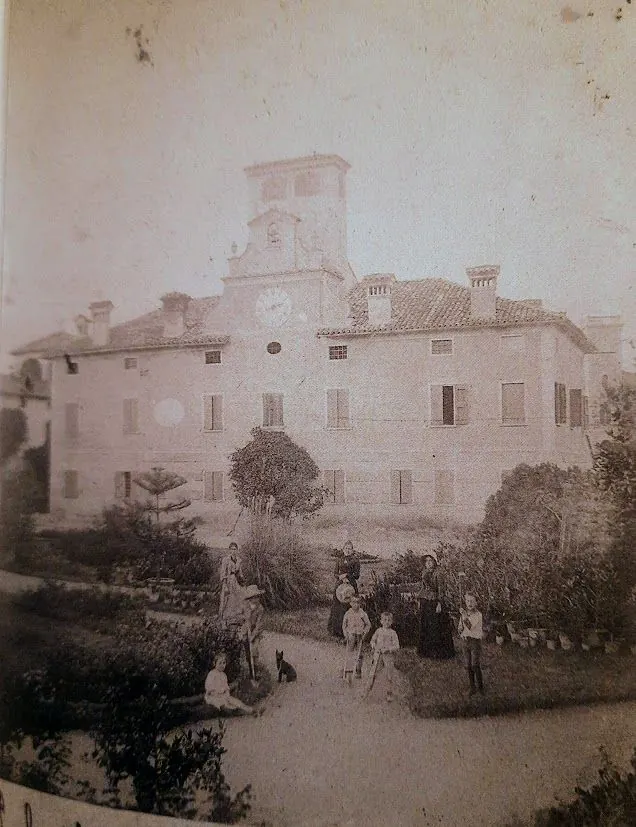
La Ca’ Bella a Colombaro in una fotografia del XIX secolo

The Ca’ Bella in a 19th-century photograph (the villa was later demolished)

1714 · The Ca’ Bella

A family tradition

Our story begins in 1714, when Stefano Aggazzotti moved to the «Ca’ Bella» estate in Colombaro, a village in the countryside south of Modena. The bond with Colombaro has never been broken: our acetaie are still there.

The family came from nearby Spezzano, where it already owned land in the 16th century.

By tradition the Aggazzotti were entrepreneurs, scholars and soldiers who took an active part in the events of their time, from the Napoleonic wars to the Risorgimento.

But the family’s deepest trait has always been love and care for the land and its fruits: wines, liqueurs and, above all, the balsamic vinegars of Modena.

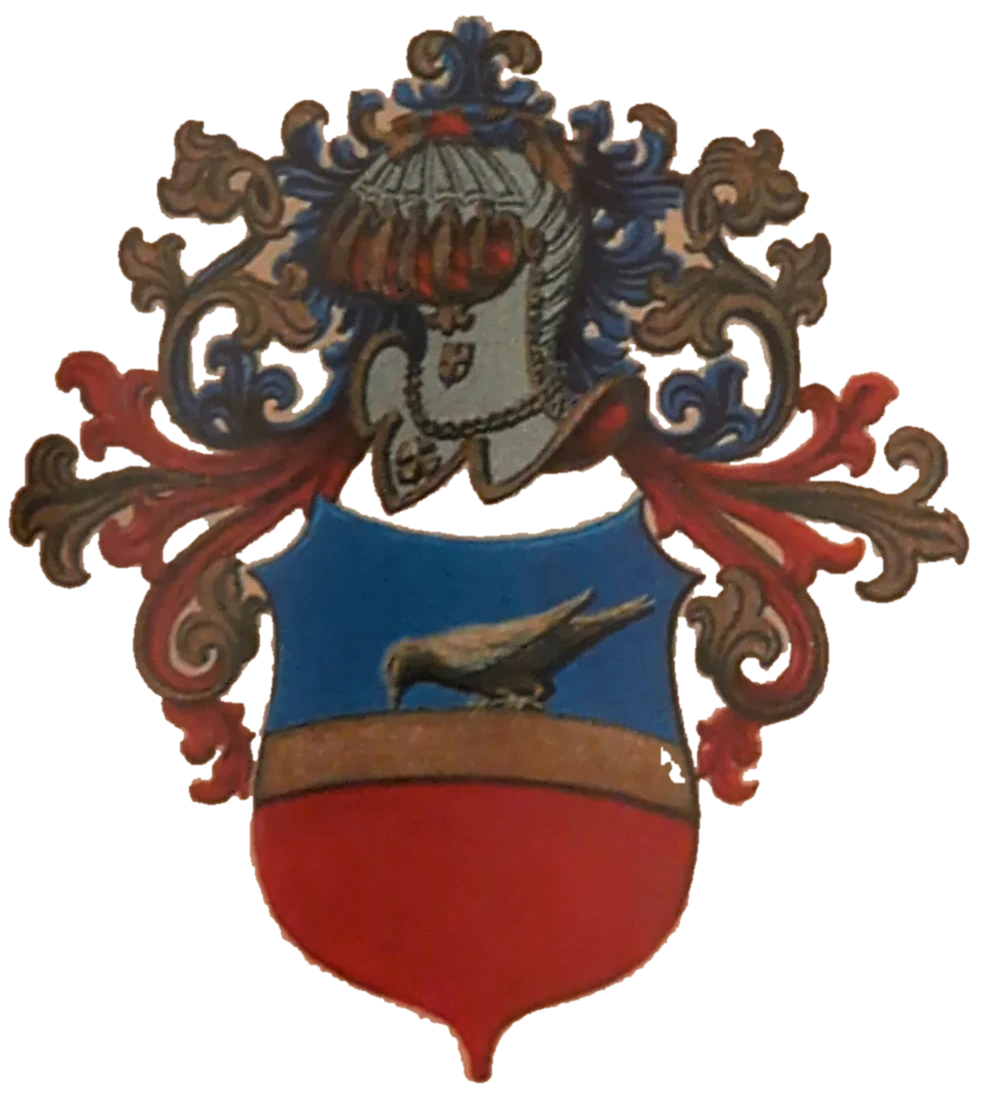
The Aggazzotti coat of arms, tempera on card, late 18th century

The name and the crest

The family magpie

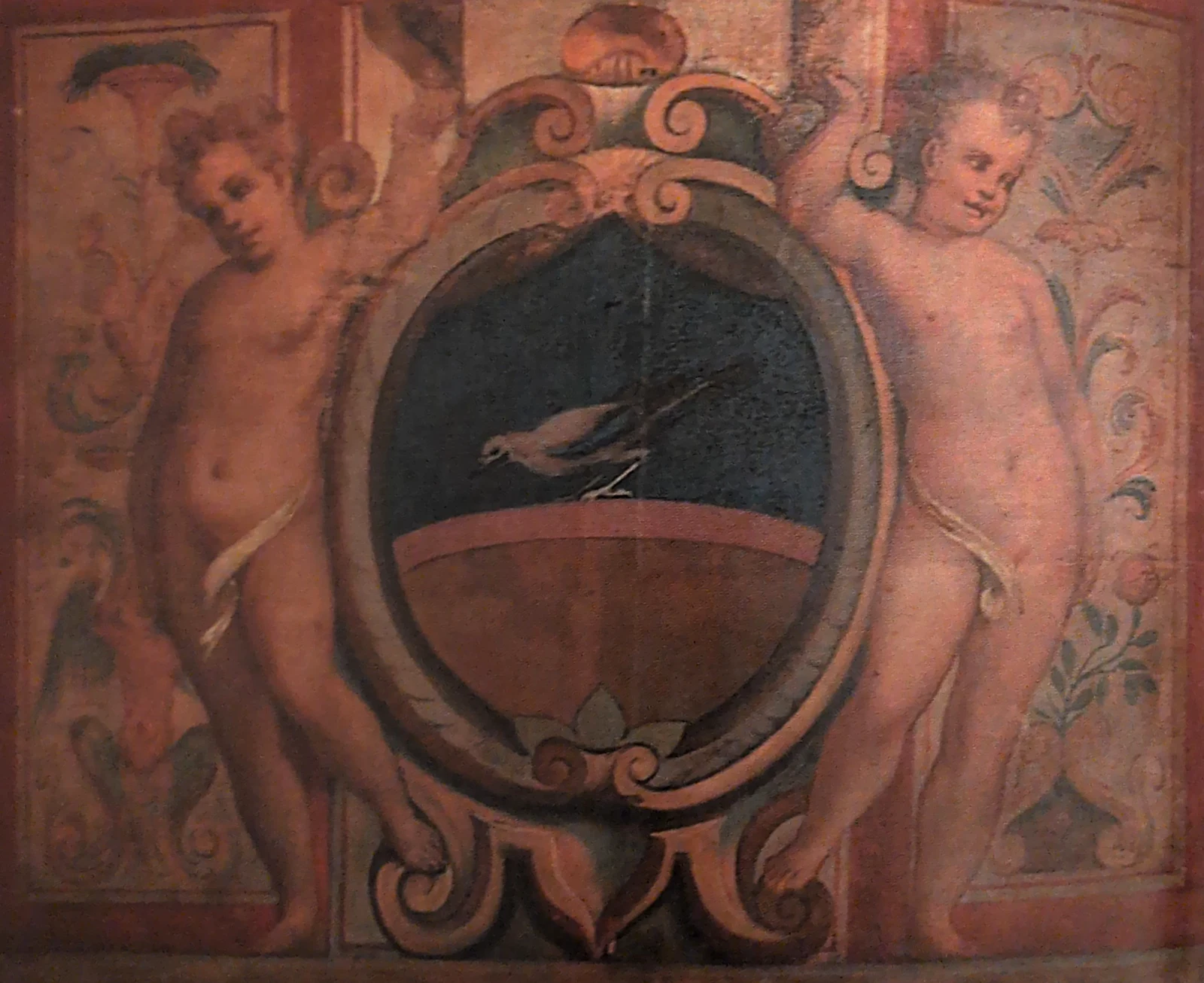
The surname Aggazzotti comes from the ancient name Agathias, from the Greek agathós, «good», recorded in Modena documents as early as 1092. Over time the word drew closer to the Italian «gazza», magpie: and a magpie is exactly what appears on the family crest, a «canting arm» that echoes the name of its bearer.

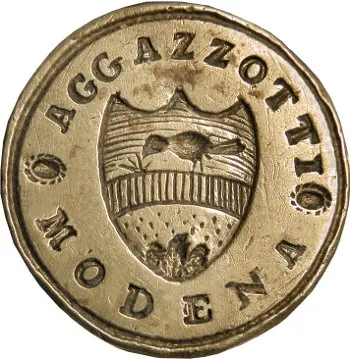
The shield, blue and red with a gold band, shows the magpie standing on the band. In the version used by Francesco and his sons, a three-peaked mountain is added at the base: this is the seal that is still the mark of our farm today.

The oldest version, a 16th–17th-century painting

Aggazzotti family collection
Francesco Aggazzotti · 1811

The first «Agrofilo»

Francesco Aggazzotti was born in Colombaro on 18 January 1811. A lawyer, he devoted much of his brilliant mind to agriculture: he enlarged the family estate, began producing wines of the highest quality based on the study of grape varieties, and wrote some of the first treatises on the wines and vinegars typical of Modena.

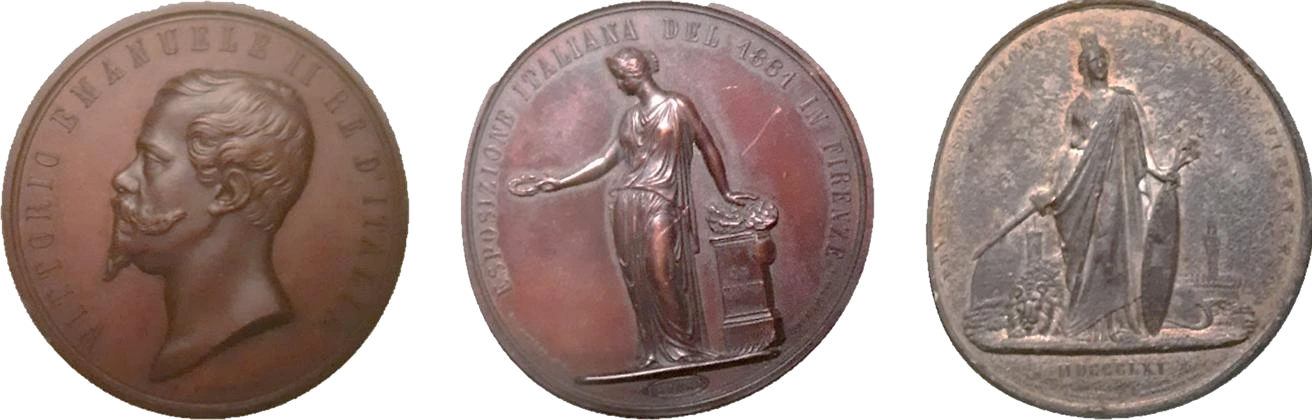
A liberal patriot, he took part in the events of 1848 and was the first mayor of Formigine in united Italy, as well as a city and provincial councillor in Modena. In 1861 his products won awards at the first Italian National Exhibition in Florence, and he was made a Knight of the Order of Saints Maurice and Lazarus. For his balsamic he also used barrels from the acetaia of the Ducal Palace of Modena, auctioned during the French occupation; tradition also credits him with the nocino of Colombaro.

«An agrofilo for many years, by inclination and by circumstance, and so devoted to my land»

This is how Francesco liked to describe himself

Medaglie vinte da Francesco Aggazzotti alle esposizioni del XIX secolo

Medals awarded to Francesco Aggazzotti at Italian exhibitions in the 19th century

Modena, 2 March 1862

The «Aggazzotti Method»

In a letter to his friend Pio Fabriani, Francesco explains step by step, sparing no detail, how Traditional Balsamic Vinegar of Modena is made. This is the Aggazzotti Method, today the foundation of the PDO production rules.

Balsamic vinegar had been made in Modena for centuries, but Francesco was the first to set its rules down in writing.

«Dell’Aceto Balsamico Modenese…»

«As for its market value, if one considers the immense loss in volume and the interest on the capital (150 years) left idle for so long, I believe it would prove almost fabulous; and in all likelihood it is never to be found. There are, finally, quite a few recipes and methods to shorten such a long process, obtaining concentration, colour, density and an artificial aroma with additives, but less expense and effort always comes at the cost of quality.»

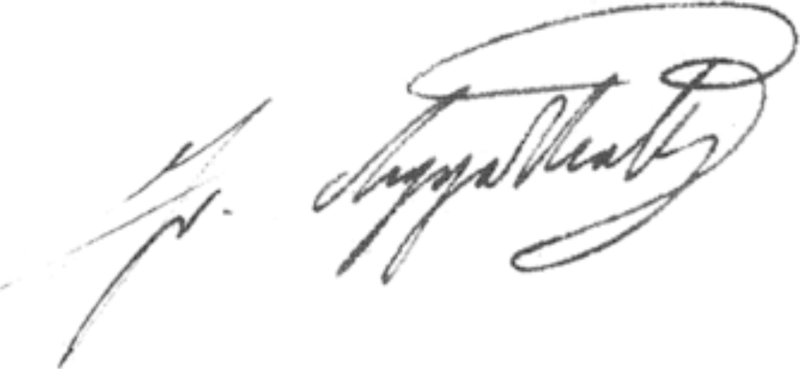
Firma di Francesco Aggazzotti

Family labels

The wines of Colombaro

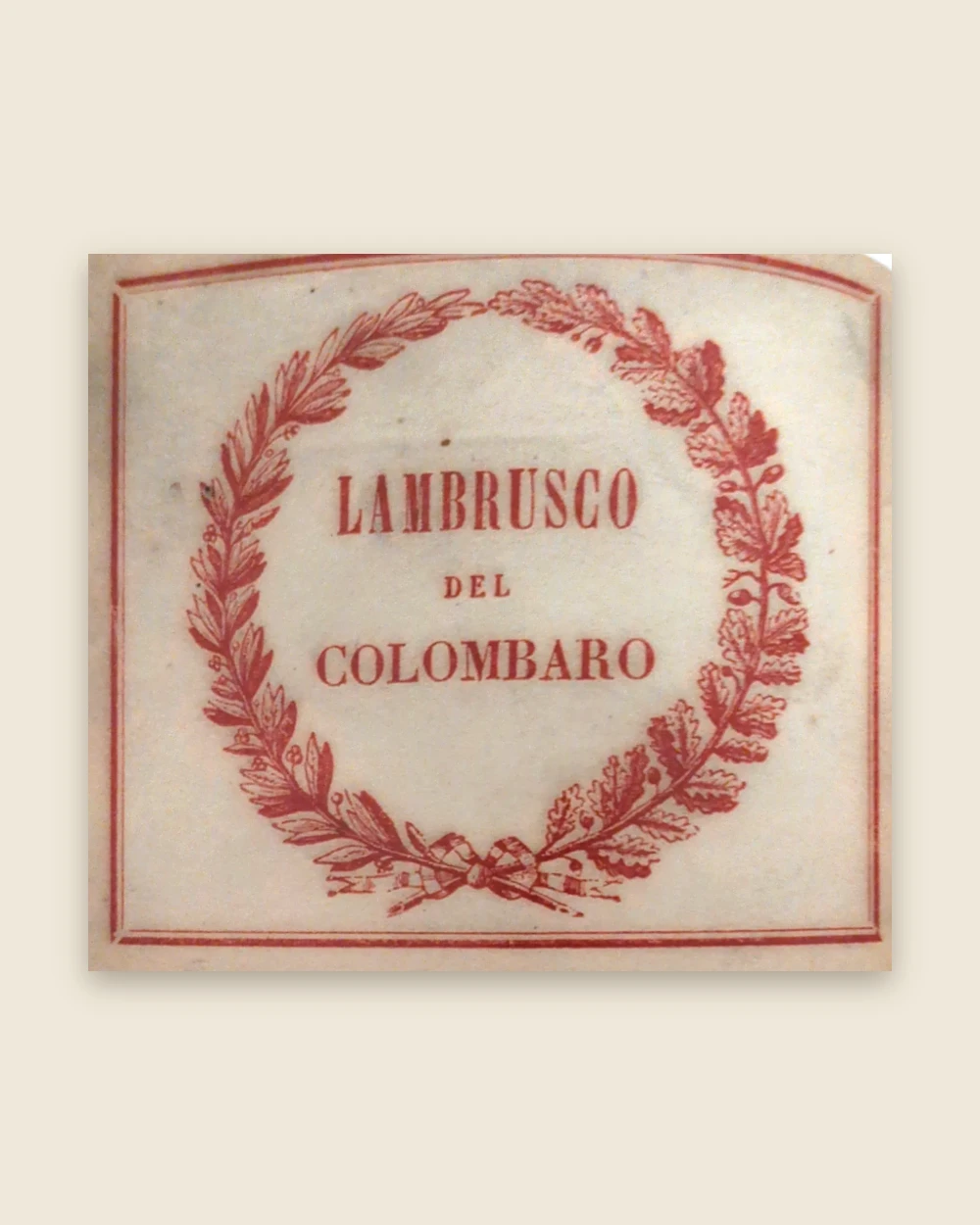
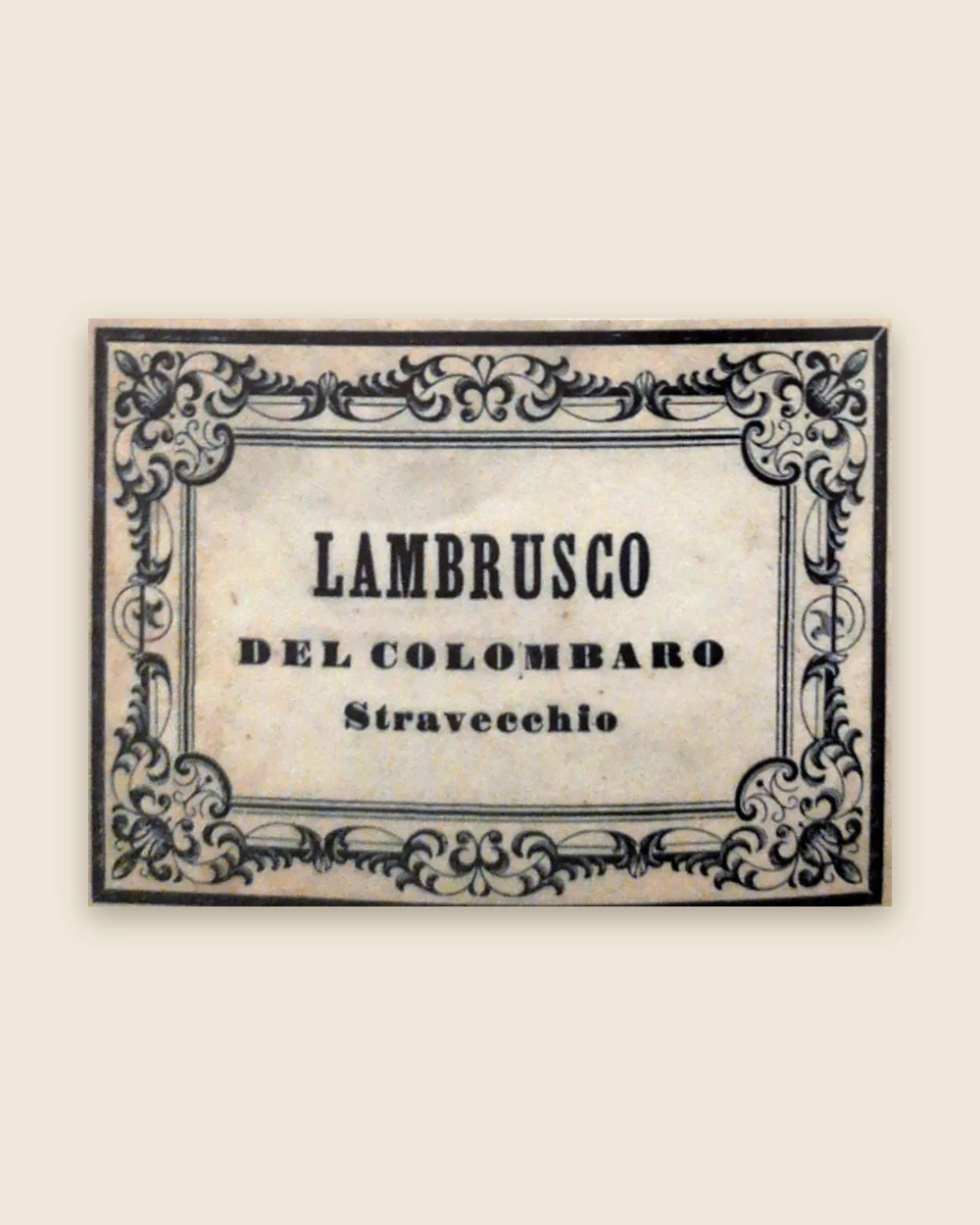
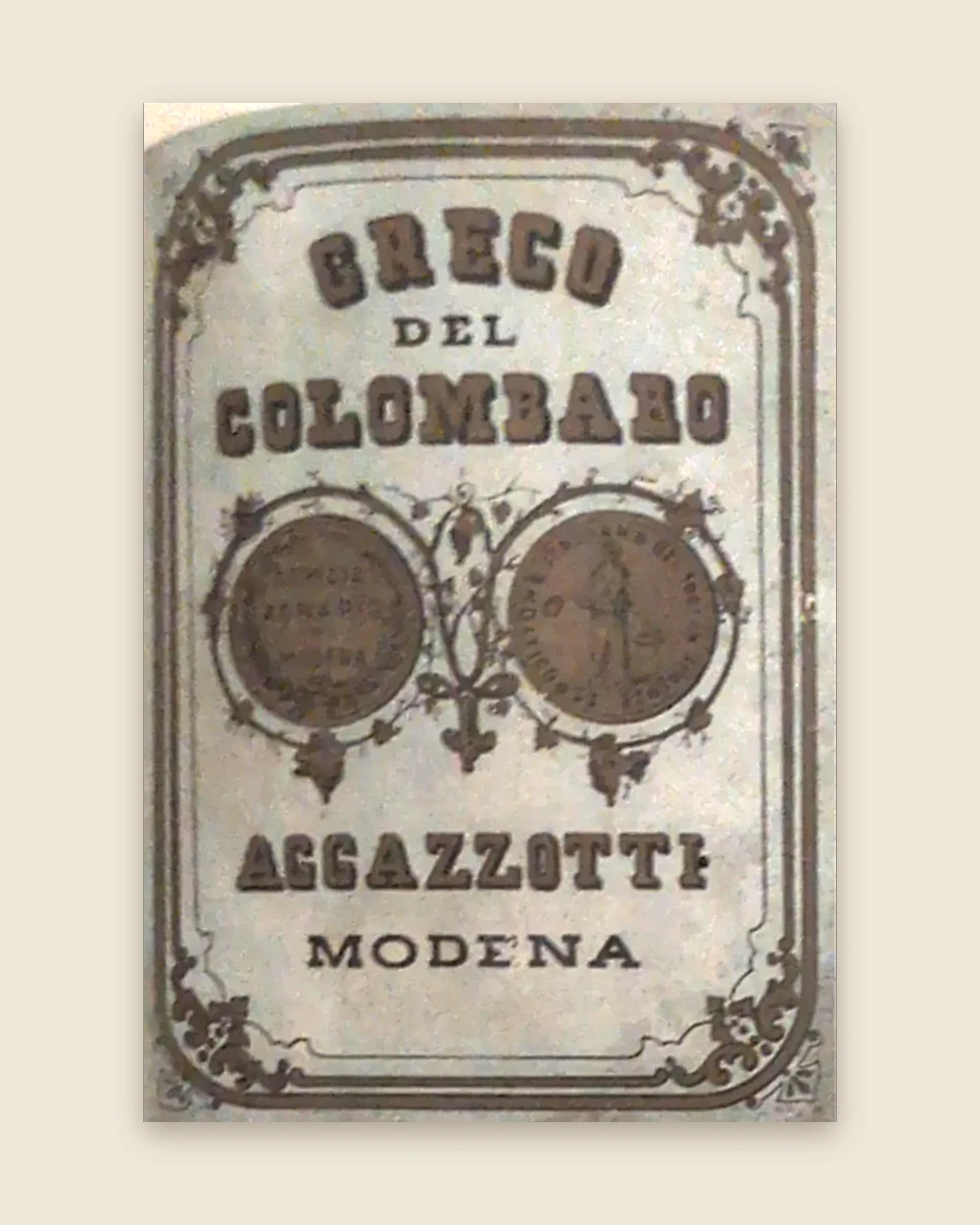
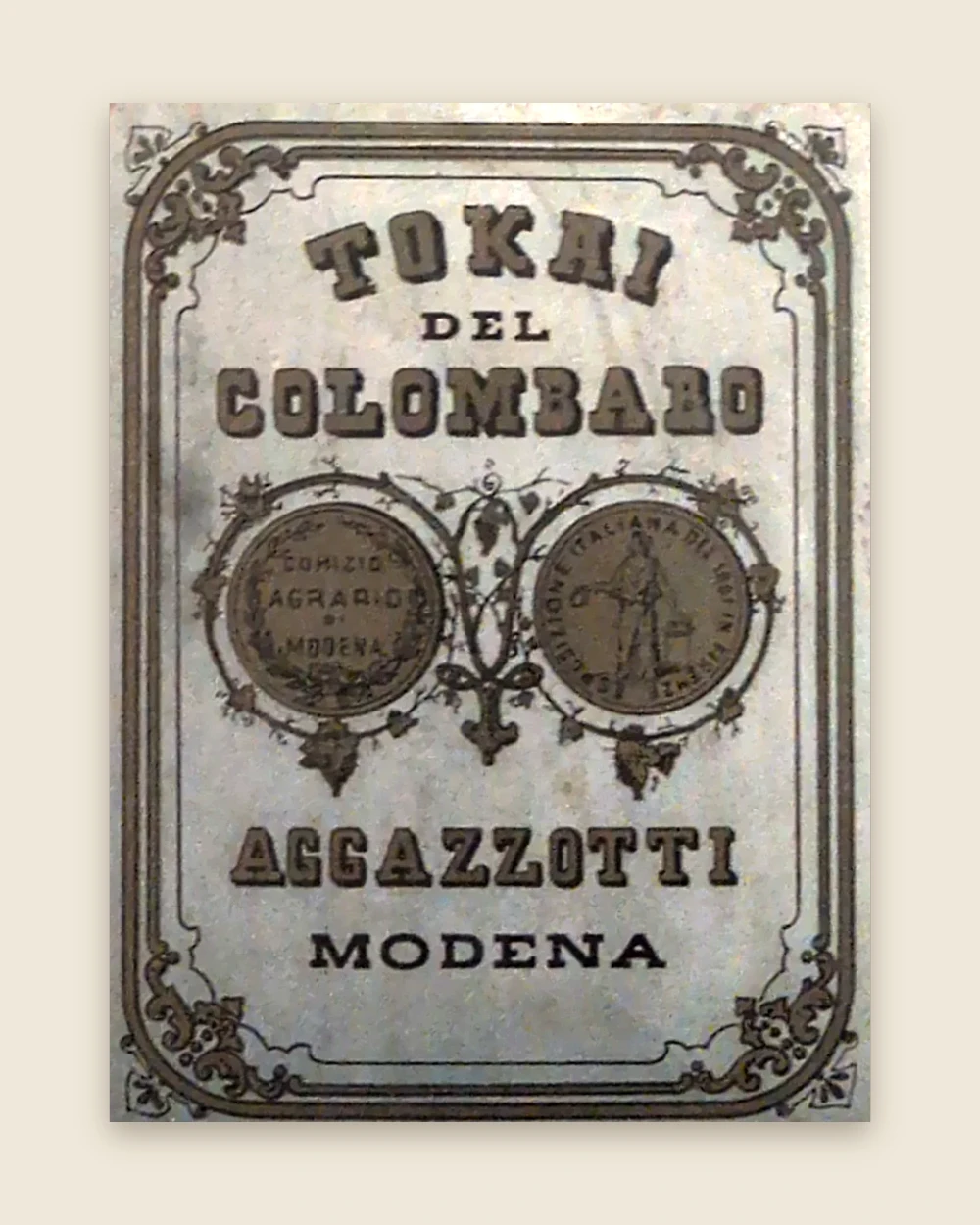
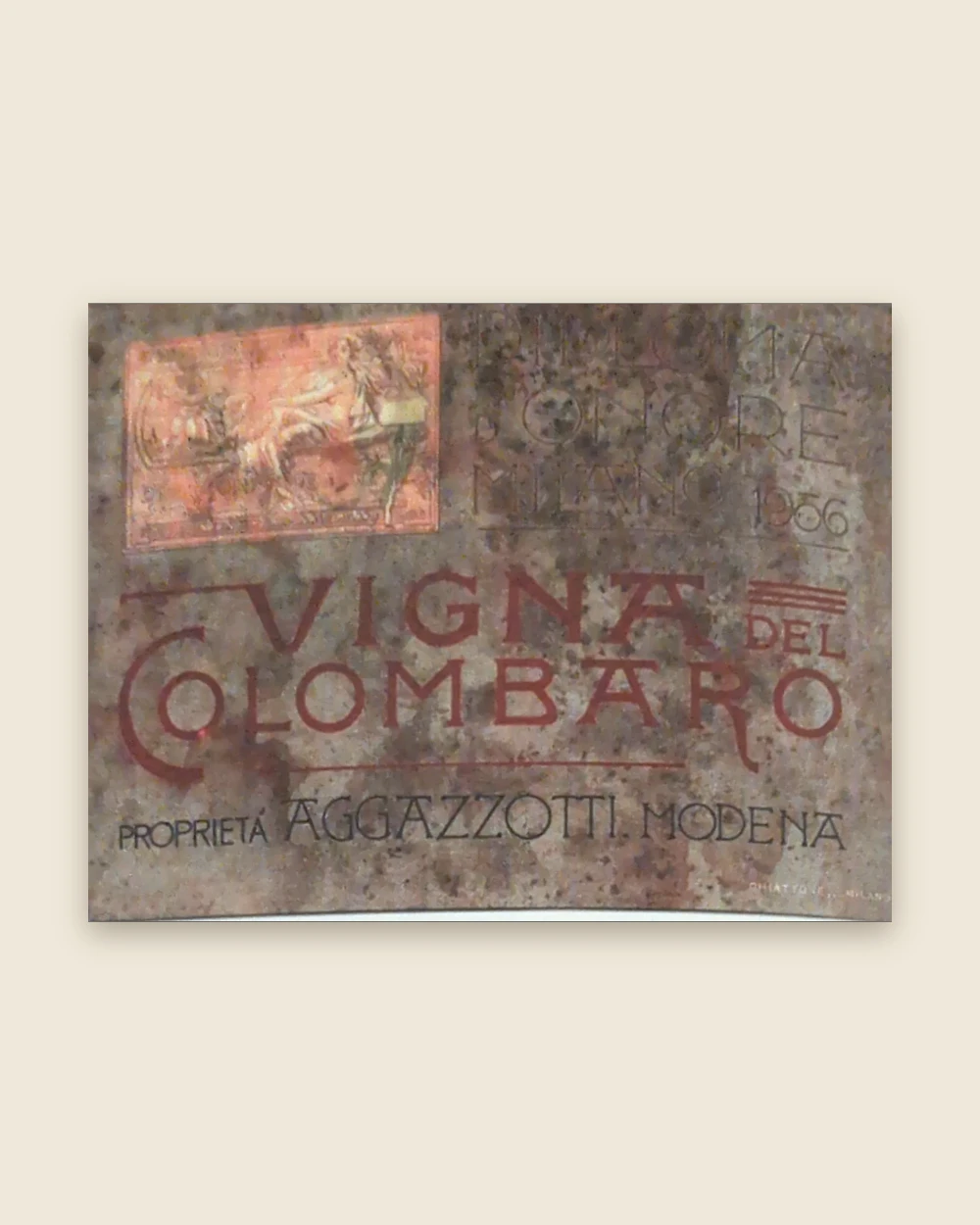
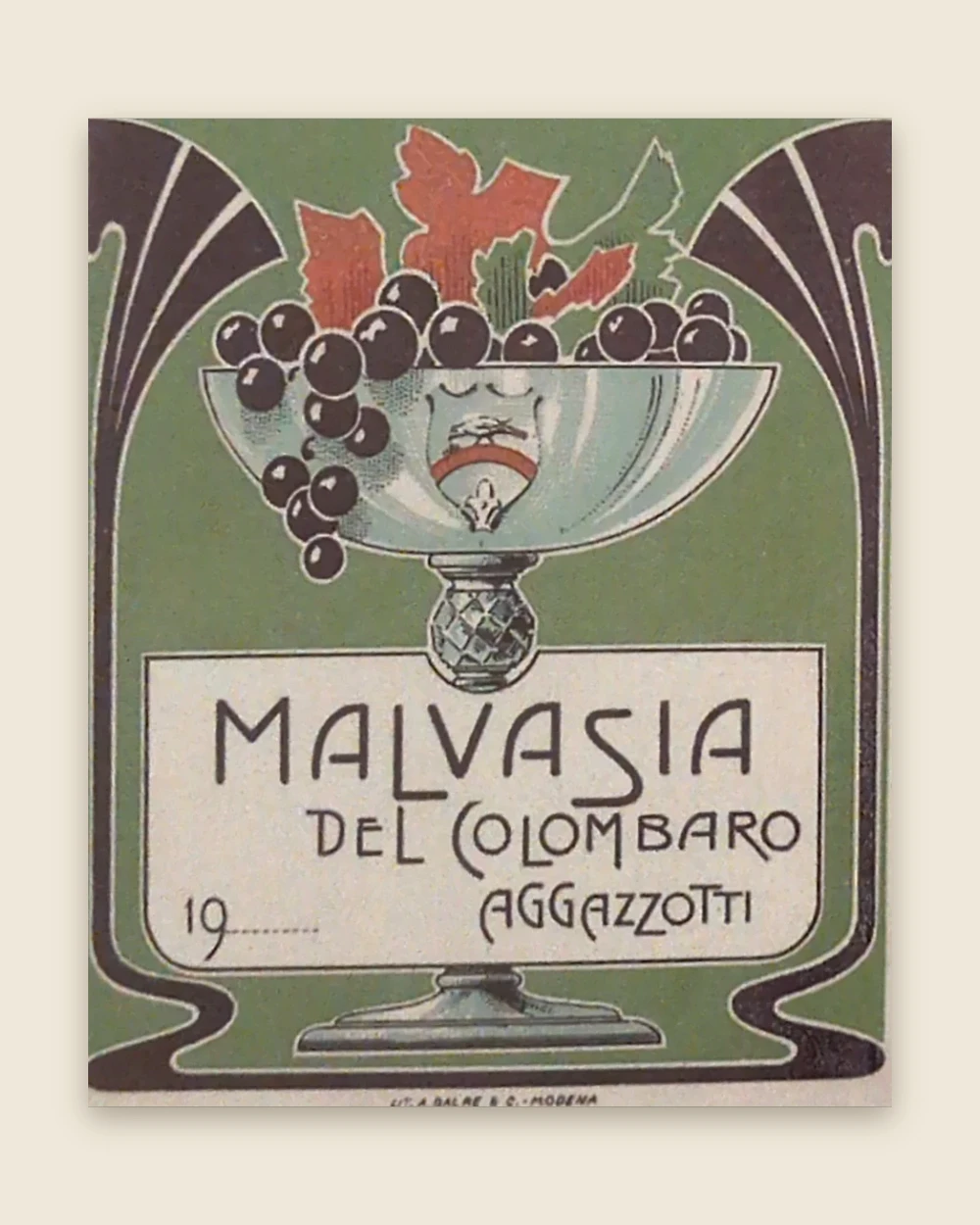
Lambrusco, Malvasia, Greco and even a Tokai: in the 19th and early 20th centuries the Colombaro vineyards produced wines that carried the Aggazzotti name all the way to national exhibitions. The labels kept by the family tell of medals and diplomas, such as the Diploma of Honour won in Milan in 1906.

Lambrusco del Colombaro
mid-19th century
Lambrusco del Colombaro Stravecchio
mid-19th century
Greco del Colombaro, with the medals of the Modena Agricultural Society and the 1861 Italian Exhibition
second half of the 19th century
Tokai del Colombaro
Tokai del Colombaro
second half of the 19th century
Vigna del Colombaro, Diploma of Honour, Milan 1906
early 20th century
Malvasia del Colombaro
early 20th century

Aggazzotti family collection
Today

The story continues

After more than 300 years and twelve generations, the Aggazzotti family still looks after its acetaie in the same places chosen by Stefano in the 18th century, where Francesco wrote his famous letter. At the 1994 family gathering there were more than four hundred descendants.

Only PDO and PGI certified products, a small, carefully selected range, and no misleading claims such as ageing years, which the production rules forbid. And a rigorous selection of the finest raw materials from Modena and Italy, with care for the environment and for people.

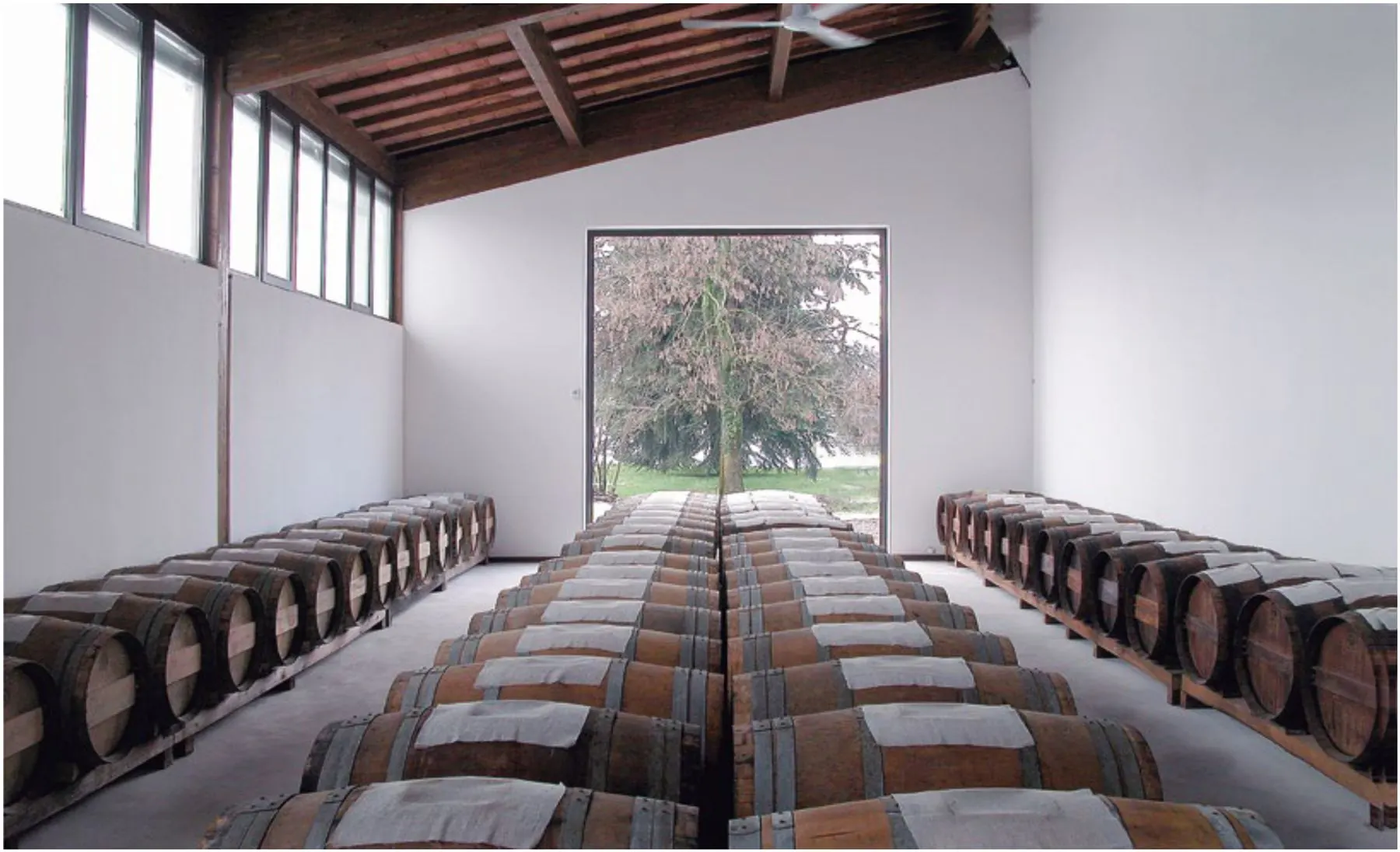
Sala delle botti nell’acetaia Aggazzotti

Colombaro di Formigine · Modena

Questions about our products?

For information, orders and enquiries from importers and distributors, write to us or call us: we will reply to you personally.

Acetaia Aggazzotti

Since 1714 the Aggazzotti family has kept the tradition of Balsamic Vinegar alive in Colombaro, just outside Modena.

Sigillo della famiglia Aggazzotti

Contact

Our acetaie: Aggazzotti · Acetaia del Colombaro · Acetaia Ca’ Bella

Azienda Agricola Aggazzotti Dr Pietro S.r.l. · VAT 01728400365 · Privacy & Cookie Policy